
August 12, 2026, 1:27 pm
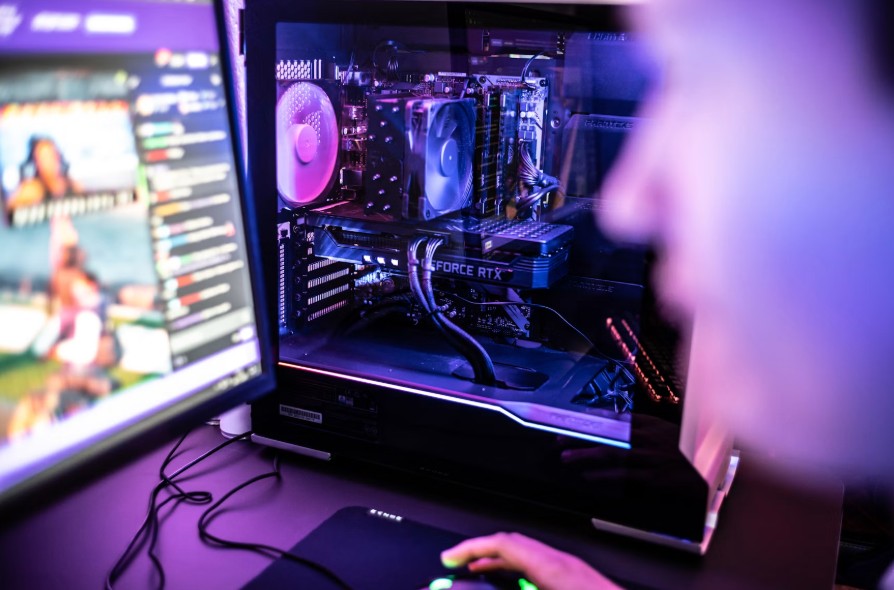
Stress is invisible on the scoreboard, yet it often decides who earns a trophy and who exits in groups. Professional rosters devote hours to mechanics, but the brain operating the mouse can tire just as quickly as a sprinter’s legs.
Health-first initiatives now share space with endorsement banners. Wellness sponsors, including services such as Crore Win app, finance quiet rooms, sleep tracking, and coaching sessions because calm players make sharper plays and safer brand bets.
A tournament week compresses jet lag, loud crowds, and constant online commentary into one emotional bundle. Mistakes linger on highlight reels and fans dissect every stat line. Career stability rests on seasonal form, so even a brief slump invites roster rumors and contract anxiety.
Reaction-time slump
Flick speed drops when nerves steal milliseconds from muscle memory.
Short-tempered calls
Heated voice-chat exchanges replace clear strategy, spreading panic.
Sleep debt patterns
Late-night reviews push bedtimes past sunrise, scrambling circadian rhythm.
Social media spirals
Doomscrolling after scrims magnifies criticism, lowering morale before next set.
Body language shifts
Shoulders round, eye contact fades, and team photos lose their usual spark.
Analysts often discover these signals before coaches do. Dashboards tracking crosshair precision or ward placement highlight sudden dips that numbers alone cannot explain. A quick check-in sometimes reveals headaches, family worries, or burnout rather than an in-game meta problem.
Institutions that treat mental training like aim training enjoy longer peak windows. Regular mindfulness drills slot into warm-up routines; nutrition plans limit caffeine spikes and sugar crashes. Physical trainers add mobility stretches that double as breathing breaks, giving the mind a moment to reset.
Scrim blocks grow shorter but more focused. Instead of endless best-of-threes, coaching staffs schedule themed sessions—opening rotations, mid-game vision control, late-game shot-calling—then step away. Players return fresh for VOD review rather than slogging through autopilot repetitions.
Normalising downtime matters too. Movie nights, city walks, or simple board-game rounds strengthen friendships outside the client. Shared laughter softens the sting of a bad map and reminds everyone that the season is a marathon, not a sprint.
Transparent scheduling
Calendars lock practice hours weeks ahead, allowing personal appointments and family calls.
Professional counseling access
Licensed therapists meet players privately, framing mental care as routine maintenance.
Rotating leadership roles
Different voices lead review sessions, preventing any one captain from burning out.
Financial literacy workshops
Clear advice on savings and taxes eases off-season uncertainty.
Anonymous feedback forms
Surveys flag toxic house dynamics before issues escalate.
These habits cost time and budget, yet losses caused by burnout cost far more. Replacing a star rifler mid-split can derail sponsorship goals and fan engagement in a single announcement.
Viewers notice when competitors look energised and engaged. Spontaneous smiles during fan cams spark social shares. Brands partner more confidently with teams known for stable rosters and positive stories, reducing the fear of headline scandals.
Better mental health also translates to strategic clarity. Calm brains assess risk accurately, pick smarter flanks, and call cleaner retakes. Over a season, that composure converts into map victories, deeper playoff runs, and increased merchandise sales.
Broadcast partners join the loop. Casters now highlight coaching psychologists alongside analysts, educating audiences on the human element. Sponsors slide wellness tips into ad reads, framing self-care as a competitive edge rather than a luxury.
Wearable devices measuring heart-rate variability already ping coaches when stress climbs too high. Short guided-breathing clips replace loading-screen banter. Universities add sports-psychology electives tailored to esports, preparing future analysts who can speak both statistics and serotonin.
Industry groups push for official mental-rest breaks similar to medical timeouts in traditional sports. One proposal limits best-of-five finals to two maps before a mandatory fifteen-minute reset, allowing hydration, stretching, and mental recalibration.
Community expectations shift as well. Chat moderators remove derogatory comments faster; tournament organisers post clear anti-harassment codes. Fans learn that cheering a tactical pause does not betray their team but supports sustained excellence.
Successful organisations now treat the mind as the most valuable peripheral on stage. By weaving counseling, balanced routines, and clear communication into daily operations, teams protect performance and extend career longevity. Healthy players produce highlight moments that resonate far beyond the closing ceremony, proving that in modern esports, resilience wins as many matches as raw aim.